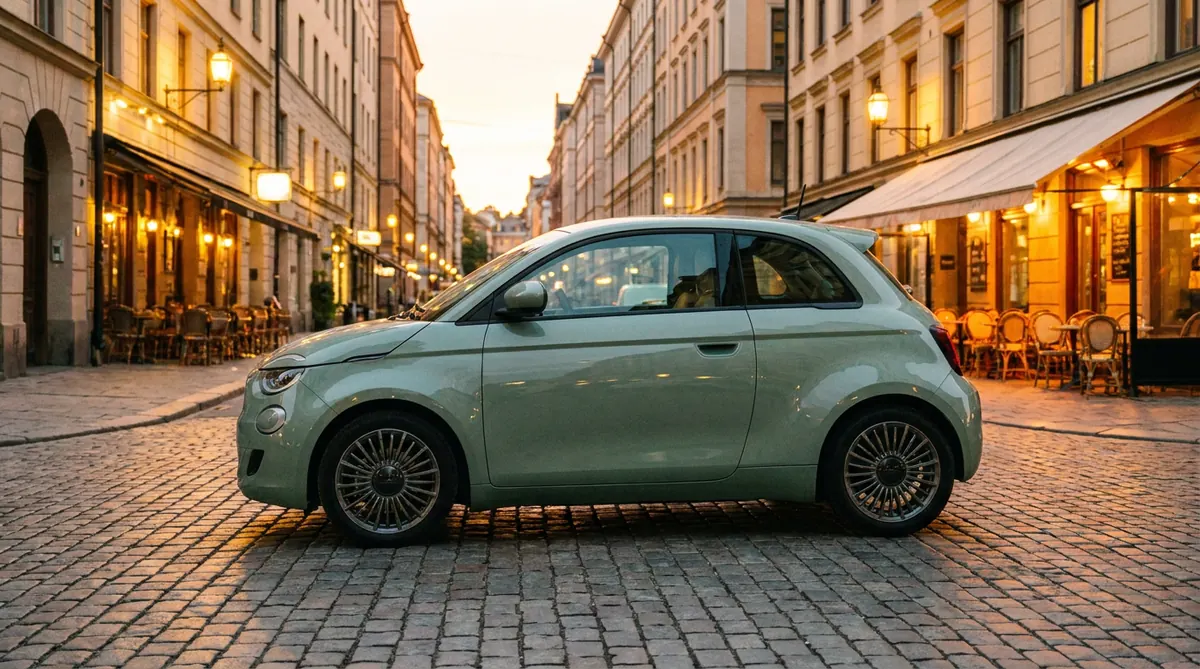
Chevy Bolt EV Owner's Guide
Accessories, owner reviews and fit — everything for your Chevy Bolt EV, in one place.
The Chevy Bolt EV (and roomier Bolt EUV) is one of the best value EVs ever made — a compact hatch that drives like a small crossover, with running costs that embarrass gas rivals. It uses CCS charging (no native Tesla plug), and since it's now a used-market buy, the accessories that matter are practical protection. Here's the gear that matters for a Bolt, each with a full buyer's guide, plus the pieces worth buying by name.
Accessories that matter for the Chevy Bolt EV
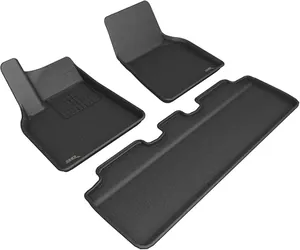 All-weather floor mats + cargo linerA daily-driver hatch's floor and cargo area take groceries, pets and weather — an exact-fit Bolt EV or EUV set is the first buy (3D MAXpider, TuxMat, WeatherTech all fit).Explore →
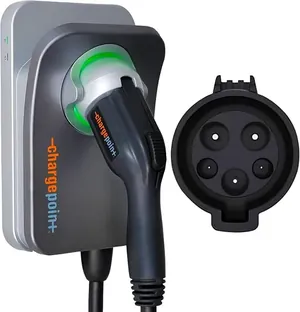 Home chargerThe Bolt charges at up to 11.5 kW on AC; a Level 2 home charger fully recharges overnight. It uses CCS/J1772 — a NACS adapter is needed for Tesla Superchargers.Explore →
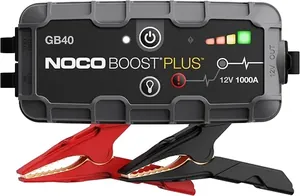 Emergency & roadside kitA 12V jump starter, inflator and first-aid kit are cheap insurance on a budget commuter.Explore →
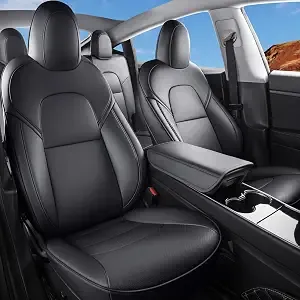 Seat coversProtect the seats from kids, pets and daily wear with an airbag-safe set.Explore →
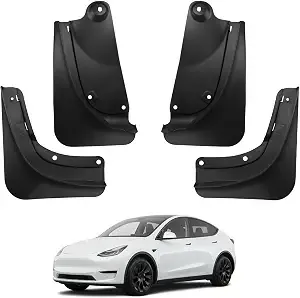 Mud flapsCut road spray and salt off the lower body; no-drill Bolt-fit sets install cleanly.Explore →
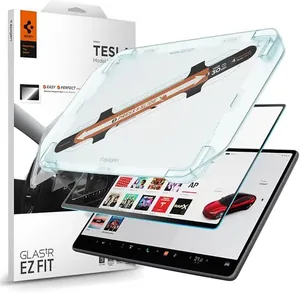 Screen protectorA matte protector on the 10.2-inch touchscreen cuts glare and fingerprints.Explore →
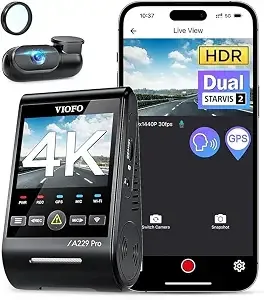 Dash camA supercapacitor cam adds always-on coverage and survives cabin heat.Explore →
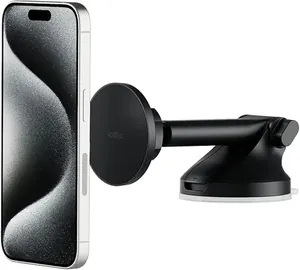 Phone mountA magnetic or vent mount keeps navigation in view.Explore →
Model-specific gear worth buying
3D MAXpider Kagu Floor Mats (Bolt EV/EUV)
Laser-cut all-weather mats with non-skid backing — pick the Bolt EV or EUV version to match your car.
Check price on AmazonWeatherTech Cargo Liner (Bolt EV)
Fitted rear cargo liner with a raised lip to contain spills and grocery mess.
Check price on AmazonTuxMat Full-Coverage Mats (Bolt EUV)
Extended-coverage liners that climb the sidewalls for maximum protection.
Check price on AmazonGM Premium All-Weather Floor Mats (Bolt)
OEM-fit deep-tray mats with the Bolt script and a retention system.
Check price on AmazonWhat owners actually say
A budget-EV favorite once the battery recall is done — owners rave about cheap, no-drama running; the catch is verifying the battery work before you buy.
Owners consistently praise
- Outstanding cost of ownership — home charging pencils out like 80–120 mpg-equivalent; it embarrasses gas rivals on running cost.
- Roomy, practical hatch — small outside, crossover-like space inside.
- Simple and dependable to drive — many owners report years of near-zero maintenance.
- High would-buy-again — post-fix owner satisfaction is high, with many owners saying they'd buy again.
Common gripes
- The battery-fire recall history — 2017–2022 Bolt EVs and 2022 EUVs were recalled; buying without proof of the fix is the big risk.
- Slower charging — ~55 kW DC peak and 11.5 kW AC lag newer EVs.
- Basic in places — seats and features are value-grade, and it's now a used-only purchase.
Bottom line: One of the best used-EV values going — but only with paperwork proving the battery recall is complete. If the seller can't show it, walk away.
How we built this: an original summary of public owner discussion (Reddit, owner forums, and the consumer-review sections of Edmunds and Kelley Blue Book) plus factual recall and reliability data from NHTSA and Consumer Reports. We don't quote or republish anyone's reviews — we summarize the recurring themes in our own words. Sentiment reflects July 2026 and can shift as models age and updates roll out.
Bolt EV/EUV fit notes
EV vs EUV. The Bolt EUV is a few inches longer with a roomier back seat, so mats and cargo liners differ from the standard Bolt EV — match your exact model. Charging: the Bolt uses CCS with a J1772 plug for AC (up to 11.5 kW); DC fast charging peaks around 55 kW, and a NACS adapter opens Tesla Superchargers. Discontinued: current Bolts are a used buy — verifying the battery recall (below) matters more than any accessory.
Frequently asked questions
Q: Is the battery-fire recall a dealbreaker?
A: No — but never buy a Bolt without VIN-verified proof the battery/module replacement was completed. Once done, owners report high reliability and satisfaction.
Q: Does the Bolt fast-charge quickly?
A: It peaks around 55 kW on DC — slower than newer EVs — but home charging at up to 11.5 kW covers most owners overnight.
Q: Best first upgrade?
A: All-weather mats and a cargo liner — cheap protection for a car whose whole appeal is low running costs.
Specs current as of July 2026