EV Ceramic Coating and Paint Sealants
An EV holds its value on the battery and the body — and while you can't do much about battery wear, you can keep the paint looking new. A ceramic coating bonds a hard, hydrophobic layer over your clear coat that beads water, resists swirls, blocks UV fade, and makes washing far easier (a real perk on EVs you'll be hand-washing to protect the cameras and sensors). You don't need a detail shop: today's DIY coatings run from foolproof sprays to pro-grade liquids. Here are four sold on Amazon now.
Ceramic coating picks at a glance
| Pick | Type | Durability | Difficulty | Finish | Street price |
|---|---|---|---|---|---|
| Adam's Graphene Ceramic Coating Advanced Best Overall | Liquid graphene ceramic | 2–5 years | Intermediate | Deep gloss, strong beading | ~$70–100 |
| Meguiar's Hybrid Ceramic Best for Beginners | Spray-on ceramic | ~months | Very easy | Glossy, hydrophobic | ~$20–30 |
| CarPro CQuartz UK 3.0 Best Pro-Grade Durability | Liquid SiO2 ceramic | 2+ years | Advanced | Slick, high gloss | ~$70 |
| Chemical Guys HydroCharge Best Budget Spray | Spray ceramic (SiO2) | ~months | Very easy | Glossy, beading | ~$25–40 |
What to look for in a DIY ceramic coating
- Correct fit for your model and year
- Material grade (self-healing PPF, ceramic hardness, forged vs cast wheels)
- Whether it affects range, warranty, or sensors/cameras
- DIY-friendly vs professional install
- Finish, durability, and how it holds up to weather and car washes
Our top DIY ceramic coating picks for 2026
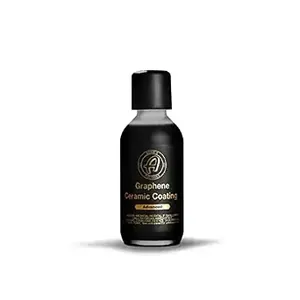
Adam's Graphene Ceramic Coating Advanced — Best Overall
- Type: Liquid graphene ceramic
- Durability: 2–5 years
- Difficulty: Intermediate
- Finish: Deep gloss, strong beading
- Extra: UV tracer to verify coverage
- Street price: ~$70–100
Adam's took graphene coatings mainstream, and the Advanced version packs more resin for a thicker, more durable layer than most consumer coatings. The standout feature is UV Tracer Technology — shine the included UV light and the coating glows, so you can see exactly where you've applied it and never leave a miss or a high spot. It bonds chemically to the clear coat for 2–5 years of protection and serious water beading. The best balance of durability and DIY-friendliness here.
Best for: Owners who want multi-year protection and a foolproof way to see their coverage.
Pros:
- ✓ Graphene formula, 2–5 year durability
- ✓ UV tracer shows exactly where you've coated
- ✓ Deep gloss and strong hydrophobics
- ✓ Widely available with lots of how-to support
Cons:
- ✗ Requires paint prep (wash, decontaminate, maybe polish)
- ✗ Intermediate — has a flashing/leveling window
- ✗ Pricier than a spray coating
Meguiar's Hybrid Ceramic — Best for Beginners
- Type: Spray-on ceramic
- Durability: ~months
- Difficulty: Very easy
- Finish: Glossy, hydrophobic
- Street price: ~$20–30
If a full ceramic coating sounds intimidating, Meguiar's Hybrid Ceramic is the foolproof entry point: spray it onto a wet or dry car and wipe off — no flashing window to rush, no high spots to fix. Protection is measured in months rather than years, but you get real ceramic beading and gloss for the price of a bottle of wax, and you just reapply after a few washes. The easiest way to get most of the benefit with zero risk.
Best for: First-timers who want ceramic beading with no learning curve.
Pros:
- ✓ Spray-and-wipe — nearly impossible to mess up
- ✓ Real ceramic hydrophobics and gloss
- ✓ Very cheap
- ✓ Great as a maintenance topper over a coating
Cons:
- ✗ Lasts months, not years
- ✗ Thinner protection than a bonded coating
- ✗ Needs frequent reapplication
CarPro CQuartz UK 3.0 — Best Pro-Grade Durability
- Type: Liquid SiO2 ceramic
- Durability: 2+ years
- Difficulty: Advanced
- Finish: Slick, high gloss
- Street price: ~$70
CQuartz UK 3.0 is a professional favorite with one of the highest SiO2 contents in the consumer market (~70%), giving a hard, slick, long-lasting layer. It rewards careful prep and technique — the trade-off is a short working time, especially in a warm garage where it can flash fast and streak if you're slow. If you've coated a car before and want pro-grade results at home, this is the one; if you haven't, start with the Meguiar's or Adam's.
Best for: Experienced DIYers who want professional-grade durability and slickness.
Pros:
- ✓ ~70% SiO2 — pro-grade hardness and durability
- ✓ Excellent slickness and gloss
- ✓ Long-lasting (2+ years)
- ✓ Trusted in detailing circles
Cons:
- ✗ Short working time — flashes fast when warm
- ✗ Advanced — easy to leave high spots
- ✗ Demands thorough paint prep
Chemical Guys HydroCharge — Best Budget Spray
- Type: Spray ceramic (SiO2)
- Durability: ~months
- Difficulty: Very easy
- Finish: Glossy, beading
- Street price: ~$25–40
HydroCharge is the budget DIYer's go-to: a spray SiO2 coating you can apply in minutes as a standalone protectant or as a topper to extend a longer coating. It layers well and delivers strong beading for under $40. Like other sprays it's a months-not-years solution, but the low price and dead-simple application make it an easy way to keep an EV protected between deeper coatings.
Best for: Budget-minded owners who want easy, layerable spray protection.
Pros:
- ✓ Under $40
- ✓ Spray-on, beginner-friendly
- ✓ Layers as a standalone or topper
- ✓ Strong beading and gloss
Cons:
- ✗ Months-long durability
- ✗ Not a substitute for a bonded coating
- ✗ Best over already-decontaminated paint
Coating vs. spray: what actually lasts
Bonded liquid coatings (Adam's, CarPro) chemically link to your clear coat for 2–5 years but need prep and careful application. Spray coatings (Meguiar's, Chemical Guys) sit on the surface, apply in minutes, and last months — perfect for beginners or as a topper. Match the effort to how long you want it to last.
Prep is 80% of the result
A coating only bonds to clean paint. Wash, then decontaminate (iron remover plus a clay bar), and for an older car consider a light polish to remove swirls first — the coating locks in whatever's underneath. On a new EV you can often skip the polish. Work in the shade, and never coat a hot panel.
Frequently asked questions
Q: Do I need to polish first?
A: On a new EV, usually not — just wash and decontaminate. On an older car, a light polish removes swirls the coating would otherwise lock in.
Q: Coating or spray for a beginner?
A: Start with a spray (Meguiar's Hybrid Ceramic) — spray on, wipe off, no risk. Move to a bonded coating (Adam's) when you want multi-year durability.
Q: Will it hurt my EV's cameras or sensors?
A: No — coat the painted panels and glass and avoid the camera lenses and radar covers themselves. Coatings actually make sensor-area glass shed water better.
Q: How is this different from wax?
A: Ceramic coatings are far more durable and hydrophobic than wax (months to years vs. weeks) and resist UV and light swirling much better.
Shopping for a specific EV? See accessory picks for the Model Y, Model 3, Cybertruck, or browse all vehicles.